h1>Cherry Blossom Machine Embroidery File: A Designer’s Real-World Review
h2>First Impressions: Soft, Versatile, and Seasonally Charming
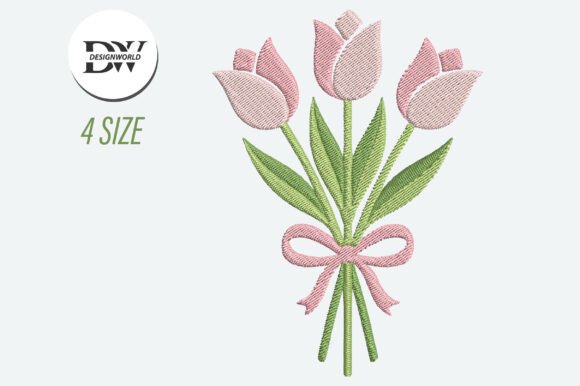
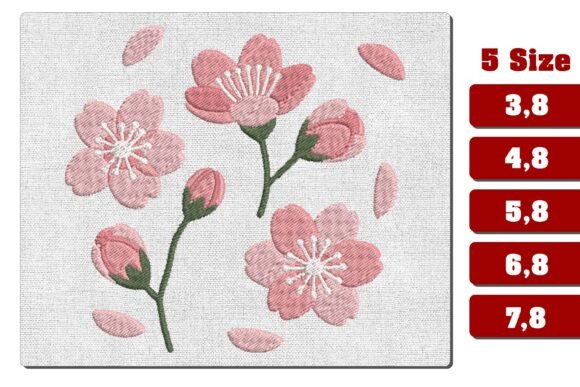
p>Opening the Cherry Blossom Machine Embroidery File, I was immediately drawn to the gentle, flowing layout. The design captures the essence of spring with soft pink petals and delicate green leaves arranged in a natural, slightly asymmetrical bouquet. It doesn’t scream “spring” in a cartoonish way, but instead offers a subtle, elegant floral motif that could work across a range of themes—from baby items to boutique apparel. The balance between satin and fill stitches feels intentional, giving the piece enough detail without appearing overworked.
h2>Real-Life Use: From Tote Bags to Baby Onesies
p>I tested the 5.8-inch size on a linen tote bag and the 4.8-inch version on a cotton baby onesie. On both, the Cherry Blossom Machine Embroidery File stitched cleanly with minimal thread breaks and no puckering when using a medium-weight stabilizer. The satin outlines held up well, especially around the outer petals, and the fill areas were dense enough to avoid showing the fabric underneath without making the piece feel stiff.
p>For a small business owner or Etsy seller, this design could be a versatile asset. It scaled nicely down to 3.8 inches for a minimalist cap embroidery and up to 7.8 inches for a statement pillow cover. I could see this being used in seasonal product lines—think Easter gifts, Mother’s Day totes, or even wedding favors with a soft floral touch.
h2>Performance Across Fabric Types
p>One of the first things I checked was how the Cherry Blossom Machine Embroidery File handled different fabric textures. On a tightly woven cotton, it stitched out beautifully. On a stretchy knit for a sweatshirt, I added a lightweight cutaway stabilizer and adjusted the tension slightly, and the result was still crisp. However, on a very thin muslin, the satin stitches pulled the fabric slightly, so I’d advise caution there.
p>On dark fabric, the pink and green thread colors really popped, but I recommend testing a black-and-white mockup first to ensure contrast doesn’t get lost. For curved surfaces like baseball caps, the 4.8-inch size worked best—anything larger started to look crowded on the rounded surface.
h2>Where to Use with Care
p>This design has a lot going for it, but it’s not a one-size-fits-all solution. The finer details—like the inner petal lines and the subtle leaf veins—can get lost on very small hoop sizes (3.8 inches and below). If you're planning to use this in a patch or applique format, consider simplifying those areas or opting for a larger size.
p>Also, because of the dense fill areas, this design may not be ideal for garments that require frequent washing unless you reinforce with a quality stabilizer. I’d also be cautious using it on layered fabrics or items with textured surfaces, as the stitches may not lay flat and could affect the final appearance.
h2>Design Impact: Elevating Handmade and Commercial Projects
p>From a visual appeal standpoint, the Cherry Blossom Machine Embroidery File brings a sense of softness and sophistication. It reads as handmade without looking amateurish, which is key for small business owners trying to build a professional brand image. Whether used on a boutique tote or a personalized tea towel, it adds value and a touch of thoughtfulness that customers respond to.
p>In a commercial setting, like embroidered sweatshirts for a local shop, this design works well as a secondary accent or as the main motif on a front chest placement. It’s not overly busy, so it complements branding rather than competes with it. For Etsy sellers, it’s gift-ready—especially when paired with neutral thread colors and clean product photography.
h2>Practical Notes for Embroidery Designers
p>Before stitching out the Cherry Blossom Machine Embroidery File on any final product, I strongly recommend testing it on scrap fabric first. Pay attention to how the satin stitches interact with the fabric grain and whether the density feels balanced. I tested a few different thread color combinations and found that using a slightly darker green thread for the leaves added depth and contrast.
p>Also, make sure to check the licensing—especially if you're planning to sell finished items or include this in a digital product bundle. Confirm that the file allows for commercial use and that it comes in the correct formats for your machine. If it includes applique elements or color-separated layers, that’s a bonus for more advanced users.
p>For beginners, this design is a good stepping stone. It’s not overly complex but still teaches how to handle satin-to-fill transitions and manage tension across different materials. For experienced embroiderers, it’s a solid design asset that can be adapted in multiple ways—whether used as-is or layered with text or other motifs.
h2>Final Thoughts: A Worthy Addition to Your Design Library
p>The Cherry Blossom Machine Embroidery File is a thoughtful, well-structured design that works across a wide range of projects. It strikes a nice balance between detail and wearability, making it suitable for both personal and commercial use. Whether you're creating a small batch of embroidered baby gifts or adding a floral accent to your spring apparel line, this design offers flexibility and charm.
p>As a designer, I appreciate when a machine embroidery file feels like it was created with real-world use in mind—and this one does. It’s not just a pretty graphic; it’s a functional, stitch-smart design that holds up under scrutiny and performs well in actual projects. If you're building a collection of seasonal or floral embroidery files, this is definitely one to consider.